How to Balance Budget & Design Dreams When Building a Custom Home in Texas
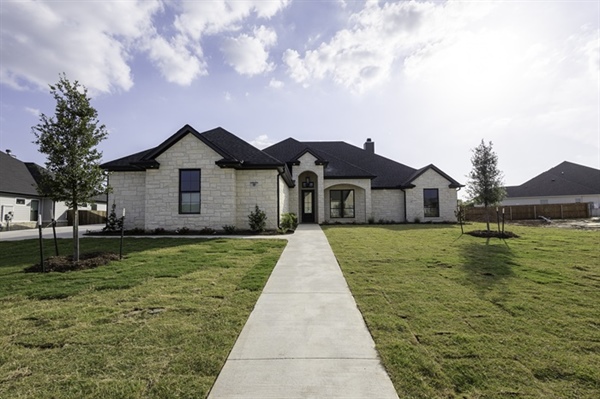
Building a custom home in Texas doesn’t have to be overly expensive and unattainable–you just need to know the smart moves to make during the planning and designing process. Unexpected changes and upgrades can happen, so ensuring you cover your bases and plan for changes is the best way to keep your budget in check.
We can help you design and build your dream home in Texas while adhering to your budget. Our decades of experience help our customers determine the most realistic budget for their custom home. In this blog, we explain how to review your needs and wants for your new home, identify what is essential, and use value engineering to stay within your budget without skimping on comfort and safety.
Custom Home Budgets in Texas
The most essential part of building a custom home is to determine your realistic budget. When you purchase an existing home, you have a pretty good idea how much money you’ll need to progress through the process. When building a custom home in Texas, the average per-square-foot cost ranges from $180 to $300, and does not include all aspects of the process. As such, there are additional costs to consider.
-
$7,300-$20,000: Average costs per acre of undeveloped land in Texas
-
$10,000-$100,00: Average costs of site preparation, depending on the property’s condition
-
$5,000-$15,000: Average cost of fees and permits for building a home
-
$15,000-$50,000: Average cost of architectural and design fees
-
TBD: Construction costs vary by materials and labor
-
$10,000-$50,000: Average costs of landscaping and connecting utilities to your property
-
Contingency Funds: This money helps when things change unexpectedly
The best way to ensure you have the correct amount of money is to work with a builder early in the process. Jim Bland Construction can help you narrow down architectural and design fees, offer utility-ready empty lots, and have extensive experience building homes in Texas.
Must-Haves vs. Nice-to-Haves
While determining what you want your custom home to look like, it’s a good idea to sit down and consider the must-haves and the nice-to-haves. Design trends come and go, so deciding on timeless Texas home designs can help you save money over time. Discuss what are the non-negotiable aspects of your home and determine which ones are flexible enough to add at a later time. This can help you control the upfront budget for your custom home.
Examples of Must-Haves:
-
Garage
-
# of Bedrooms and bathrooms
-
Location of laundry room
-
Smart storage
-
Flexible-use rooms
-
Kitchen size
-
Durable foundation and framing materials
-
Energy efficient features (windows, HVAC, etc)
Examples of Nice-to-Haves:
-
Outdoor features such as patio, deck, etc, which can be added later
-
Mudroom
-
Built-in storage
-
Dedicated home office
-
Closets and storage rooms
Some of the nice-to-haves that you come up with can be added later on as an addition. Consider your core needs and near-future needs to help control your budget.
Choosing Permanent Over Flexible Options
While determining must-haves and nice-to-haves, consider which desired aspects of your home are permanent and which are flexible. For example, your layout, structure, energy-efficiency systems, and core systems are essential permanent features of your home. Purely cosmetic upgrades can be swapped out later. Cosmetic features include cabinets, countertops, paint colors, doors, and fixtures etc. This is a great way to help manage your custom home budget.
Utilize Value Engineering to Preserve Your Dream Home
Value engineering is a process that analyzes and improves your home’s design, materials, and systems to make it as functional as possible at the lowest cost. This does not mean you have to cut corners or sacrifice quality; it’s about making smarter, cost-effective choices.
So, what does this mean for building your custom home? Some ways to value engineer your custom home include:
Simplifying the footprint by minimizing corners, complex rooflines, and excessive angles
-
Design standard-sized rooms for efficiency
-
Plan for under-staircase storage
-
Strategic place the house on the lot to minimize tree removal or other lot preparation tasks
-
Use standard features instead of customized ones (ie, standard-sized windows instead of custom windows)
-
Cost-effective finishes for carpet or tile that cost less
-
Integrate your construction and architect services into one company
Understanding Allowances, Upgrades, and Change Orders
There are three key terms to understand when building a custom home:
-
Allowances: a specific dollar amount included in your construction budget as a placeholder for items or services that have not been finalized
-
Upgrades: enhancements or modifications to a home’s standard base specifications that cost additional money
-
Change Orders: a legally binding document that amends the original construction contract after it's been signed
These three terms are important to understand during the home construction process. Having an allowance for changes during the process is important to avoid full change orders and to ensure upgrades are intentional, not a surprise. The best way to know what percentage of an allowance you should keep is to talk with your builder.
Smart Design Principle for Texas Living
An often overlooked aspect of building a custom home is “structural comfort.” This includes insulation, windows, and doors, which can significantly contribute to long-term savings. Proper insulation and windows for the Texas climate can help you save money in heating and cooling costs throughout the year. In addition, energy-efficient windows can reduce heat transfer and keep your home more comfortable.
Additional design principles for Texas living include:
-
Seamless indoor/outdoor living
-
Open and flowing floor plans
-
Site-specific design (orienting your home to get the most light in one area, etc.)
-
Utilizing local materials to reduce costs
The important thing to remember is that things like paint, decor, and some features can be changed later. When working with a strict budget for your custom home, focus on what you need rather than what you want, and ignore fleeting design trends that won’t hold up over time.
Another aspect to consider is how long you plan on living in the house. If you don’t want to move again, consider incorporating an aging-in-place design to make your home easier to navigate as your family ages.
Choose Jim Bland Construction for Custom Dream Homes in Texas
For over 50 years, Jim Bland Construction has built custom homes in Texas for a variety of customers. We work hard to help our customers develop a budget and realize their dream home without constant changes or unnecessary upgrades. Our dedication to communication, transparency, and integrity is what keeps families in Texas choosing us for their custom home construction.
Request more information online today or give our office a call at 254-772-6508.